Introduction
The digital marketing landscape is undergoing a massive paradigm shift. For over two decades, Search Engine Optimization (SEO) was solely about pleasing Google’s algorithm to rank on the first page. However, in 2026, user behavior has fundamentally changed. Millions of high-intent buyers no longer browse through lists of blue links; instead, they ask conversational AI bots like ChatGPT, Gemini, and Claude for direct recommendations.
If a potential customer asks ChatGPT, “What is the best digital asset optimization utility for a growing business?” and your brand isn’t mentioned in the response, you effectively do not exist in that user’s journey. This has given rise to a critical new discipline: Generative Engine Optimization (GEO).
In this comprehensive review, we examine Rank in ChatGPT (by FastSEOHub), a specialized toolkit designed to help website owners, affiliate marketers, and digital brands audit, track, and optimize their online presence for AI search visibility.

What is Rank in ChatGPT?
Rank in ChatGPT is an advanced software utility and strategic blueprint engineered to crack the code of how Large Language Models (LLMs) source and cite information. Unlike traditional SEO tools that monitor keywords and backlinks for Google, this software scans AI model outputs to analyze whether your brand, products, or services are being integrated into AI-generated answers.
The core philosophy behind the tool is simple: AI models do not guess; they rely on parsed web data, specific authoritative hubs, and precise contextual patterns.
If you want to immediately see how your digital infrastructure aligns with these modern algorithmic requirements, you can analyze your standing via the FastSEOHub Intelligence Platform. The system provides the exact framework needed to align your website’s structural and contextual data with the retrieval mechanisms used by OpenAI and other major AI ecosystems.
Core Features Breakdown: Inside the Toolkit
1. AI Visibility Auditing
The software simulates hundreds of conversational queries related to your niche across different versions of ChatGPT. It delivers a comprehensive dashboard showing your brand’s “Share of Voice” within AI responses, highlighting where you are cited and where your competitors are taking the lead.
2. LLM-Friendly Content Structuring Templates
AI engines prioritize clear, structurally sound, and fact-dense content. The tool provides semantic HTML templates and custom data schemas that make it incredibly easy for AI web crawlers (like GPTBot) to parse, index, and extract your brand’s data.
3. Contextual Authority Mapping
ChatGPT relies heavily on third-party validation. This feature maps out the specific authoritative directories, forums, and review hubs that ChatGPT extracts information from when generating recommendations for your industry, giving you a precise roadmap for digital PR.
AI Search Optimization vs. Traditional SEO
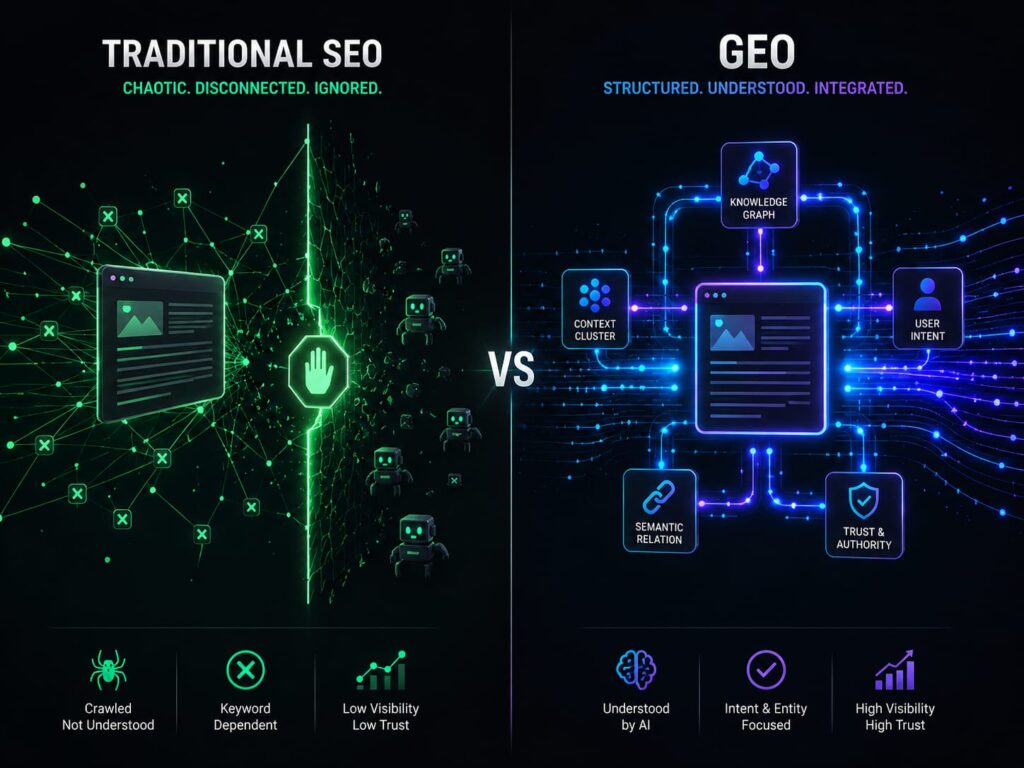
To understand why a dedicated tool like Rank in ChatGPT is necessary, look at how traditional optimization strategies fail to meet the requirements of generative search:
| Feature | Traditional SEO (Google-Focused) | Generative Engine Optimization (GEO) |
|---|---|---|
| Primary Goal | Rank on Page 1 for specific keywords | Get cited as the recommended solution in AI responses |
| Algorithm Focus | Backlink quantity, keyword density, dwell time | Contextual relevance, factual accuracy, semantic trust |
| User Experience | Navigating through a list of fragmented web links | Receiving a single, cohesive, conversational answer |
| Primary Metric | Organic Click-Through Rate (CTR) | Brand Mention Frequency & AI Citation Quality |
| Content Style | Long-form articles optimized for search bots | Direct, structured, and authoritative answers |
To systematically adjust your asset layout to pass these new metrics, you can deploy the complete structural blueprint available through the FastSEOHub Core Suite.
Real-World Case Study: Dominating the AI Search Funnel
Consider a digital product vendor who used traditional SEO to rank for high-competition keywords. Despite ranking in Google’s top 5, their organic traffic began dropping as users migrated to AI search.
By implementing the structural and contextual optimization frameworks provided by Rank in ChatGPT, the brand modified its product documentation and semantic content architecture. Within 45 days, the brand became the primary recommended solution when users asked ChatGPT for software suggestions in that specific category, resulting in a 42% increase in high-ticket affiliate sales entirely driven by AI engine recommendations.
Who is Rank in ChatGPT Engineered For?
- Affiliate Marketers: Who want to ensure their review articles and product recommendations are sourced by AI engines.
- E-commerce Brands: Looking to stay ahead of the curve as conversational commerce replaces traditional storefront browsing.
- Digital Agencies: Seeking to offer cutting-edge GEO and AI-ranking optimization services to their corporate clients before their competitors do.
Expert Recommendation & Final Verdict
Generative Engine Optimization is no longer a futuristic concept; it is an immediate necessity for survival in the digital space. Ignoring how AI models view your website is equivalent to ignoring Google search in 2010.
Rank in ChatGPT offers a rare, highly practical competitive advantage. It bridges the gap between complex neural network behaviors and actionable marketing strategies, providing a clear blueprint to secure your brand’s visibility in the age of artificial intelligence.

🎯 Step-by-Step Action Plan:
- Analyze your current footprint: Audit how AI models treat your brand.
- Restructure your data: Apply the semantic frameworks to your top-performing pages.
- Secure your future traffic: Acquire the toolkit to stay ahead of algorithm updates.